
Meal check · 7 min read
How to read a meal photo without pretending it is perfectly accurate
Meal photos are a useful starting point, not a measuring cup. Here is what a photo can show, what it cannot, and how to make the estimate more helpful.
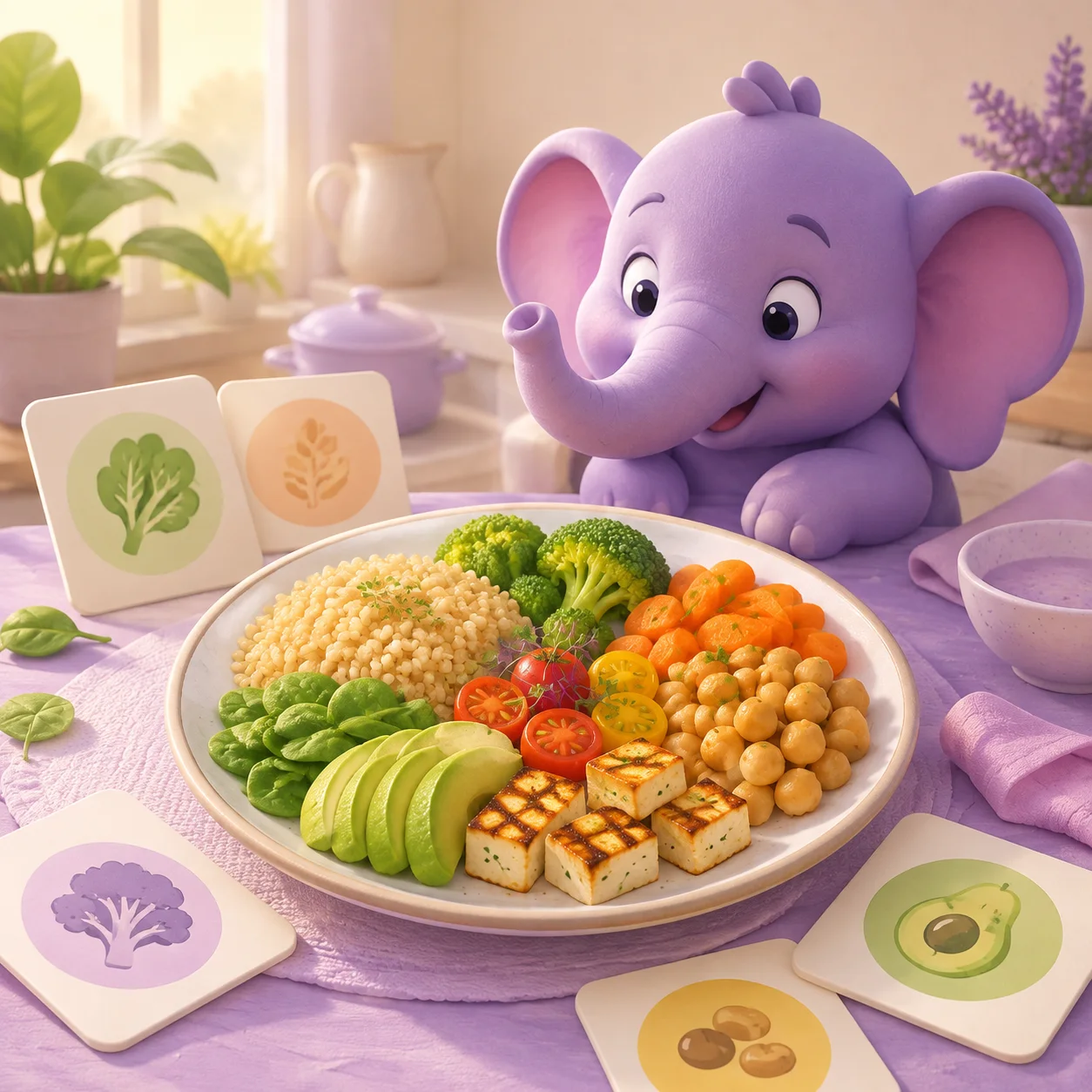
A photo is good at recognition
A clear photo can help identify the main foods, the shape of the meal and some visible ingredients. That reduces the friction of starting a log, especially when you do not know the exact name of every component.
It is less reliable at seeing cooking oil, sugar in a sauce, recipe proportions, hidden ingredients or the weight of a serving. The image gives you a useful first draft, not laboratory precision.
Add the details that change the answer
If it matters, add a short note: homemade or packaged, fried or grilled, one serving or shared, light or heavy sauce, raw or cooked weight. You do not need to annotate every leaf of salad. Focus on the details most likely to change the interpretation.
When you are unsure, keep a range. A transparent estimate is more useful than a very specific number built from guesses.
Use the result to notice the meal
After the estimate, ask the broader questions: Is there a satisfying source of protein? Is there fibre or colour? Does this fit what the rest of my day needs? Would I make a different choice next time, or was this meal exactly right for the moment?
The value of a photo log is not that it removes uncertainty. It gives you enough structure to learn from real meals without making tracking the main event.