
Nutrition · 8 min read
How to check the nutrition in a meal without overthinking it
A meal check is more useful when it answers a few practical questions: what is here, what might be missing, and what would make the next bite work better?
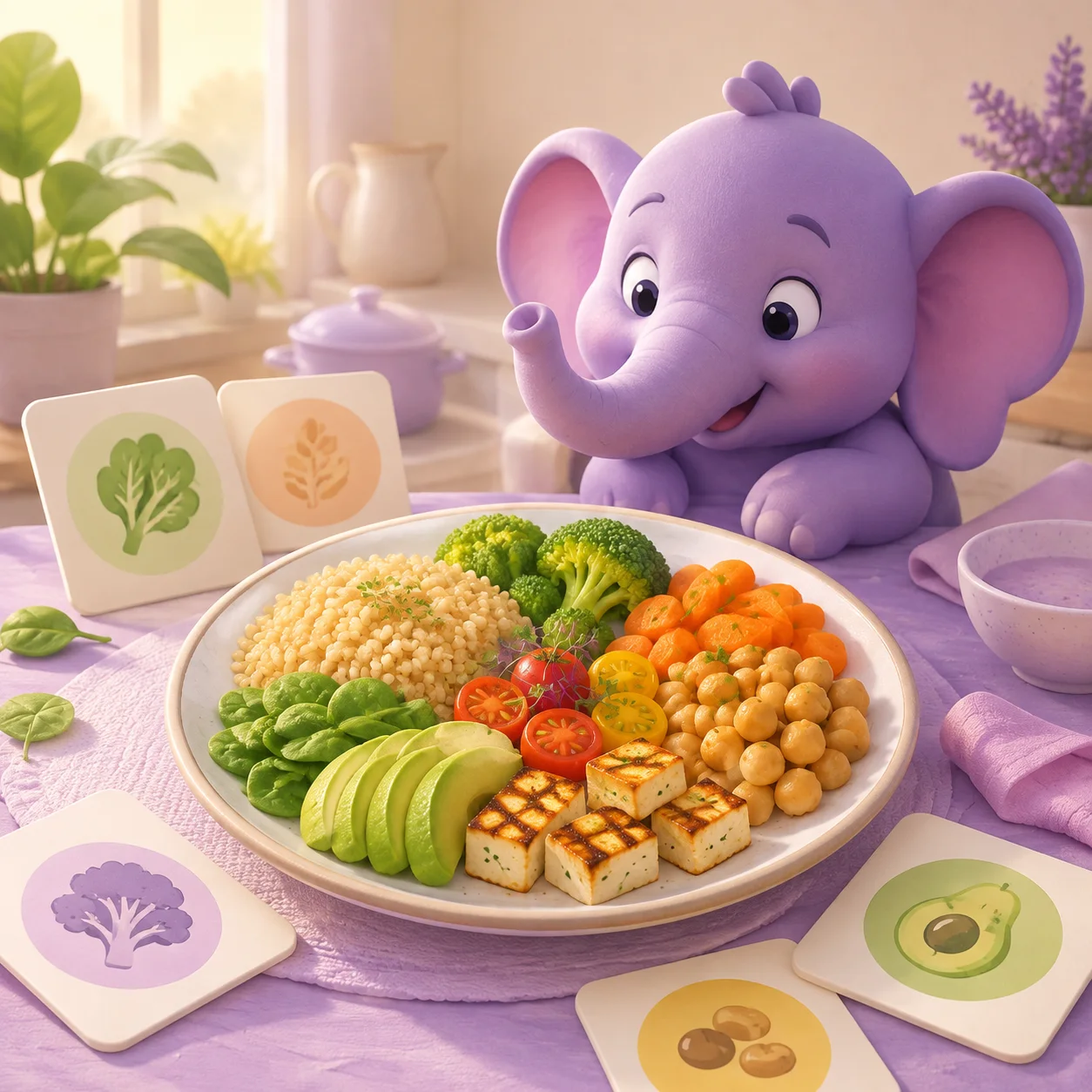
Start with the meal, not a verdict
A nutrition check does not need to label a plate good or bad. It is a quick read of what the meal is already doing for you and what information would help with the next choice. Start by naming the main foods, the cooking method and the portion you actually ate. The goal is context, not a perfect database entry.
A meal can be enjoyable, culturally familiar and still have something useful to teach you. Keeping those ideas together makes tracking more sustainable than turning every lunch into a test.
The four signals worth checking
Look at protein, carbohydrate, fat and fibre as a group. Protein can make a meal more filling; carbohydrates can contribute energy; fats can bring flavour and help a meal feel satisfying; fibre often comes from plants, beans, whole grains, nuts and seeds. None of these signals needs to be judged alone.
Then look beyond macros. What colours, plants, minerals or sources of hydration are present? You do not need to identify every vitamin in a bowl to notice that a week made entirely of beige, repeat meals may have less variety than you want.
Ask what would help next
If the meal already feels satisfying, the next step may be nothing. If you are hungry again quickly, adding a source of protein, fibre or volume could be useful. If the day has had very little colour or variety, the next meal can bring in a different plant or preparation. A suggestion should respond to your day, not punish the meal you just ate.
This is where a meal check becomes more useful than a calorie score. It connects the plate to your energy, sleep, movement and the meals around it.
A simple Elo meal-check routine
Log the meal in the fastest honest way available. Add one detail that changes the estimate, such as a sauce, recipe, label or portion. Read the result as a range when the ingredients are uncertain. Finally, choose one small action for later: keep the meal, add something, swap something or simply notice the pattern.
The best routine is the one that leaves you more informed without making you afraid of the next meal.